| flair rail - welcome |
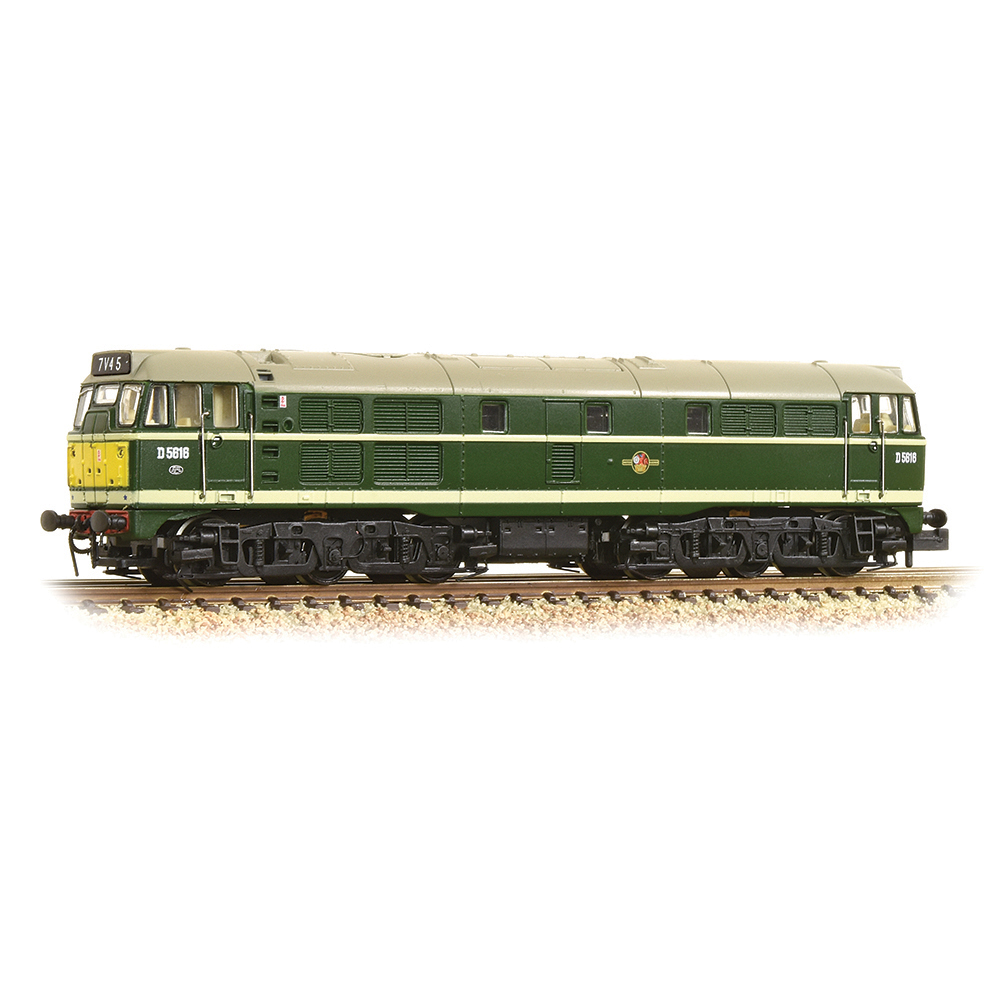
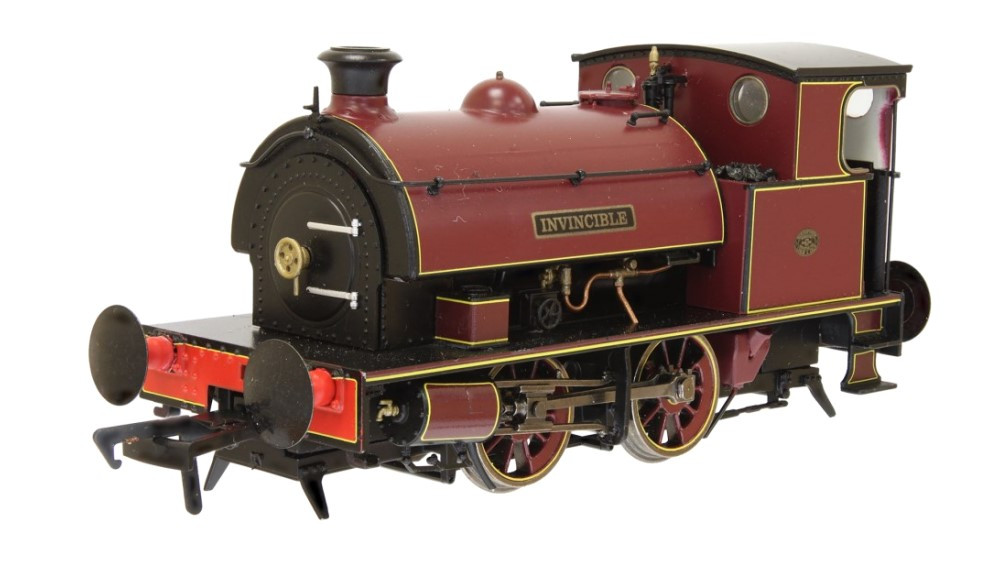
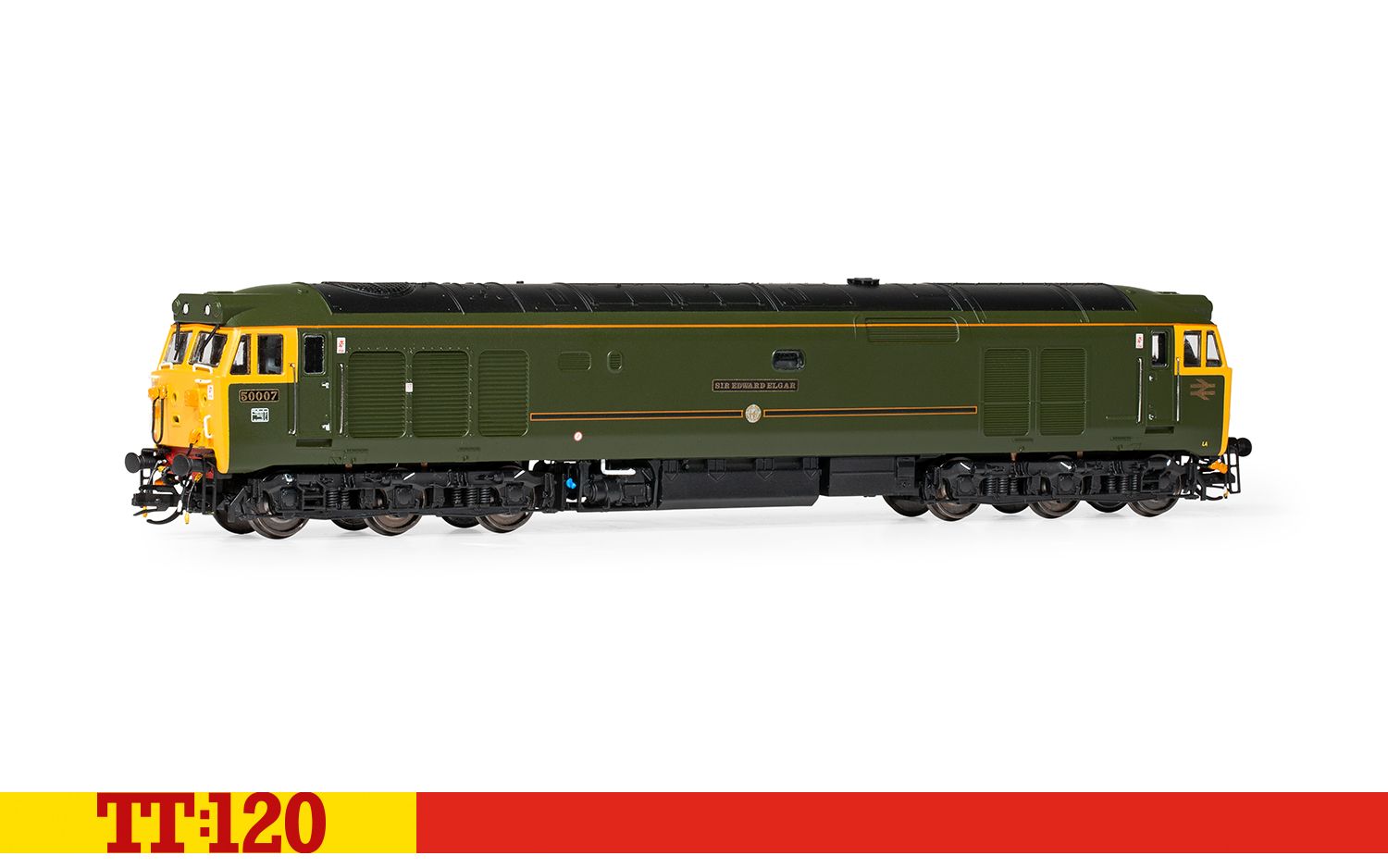
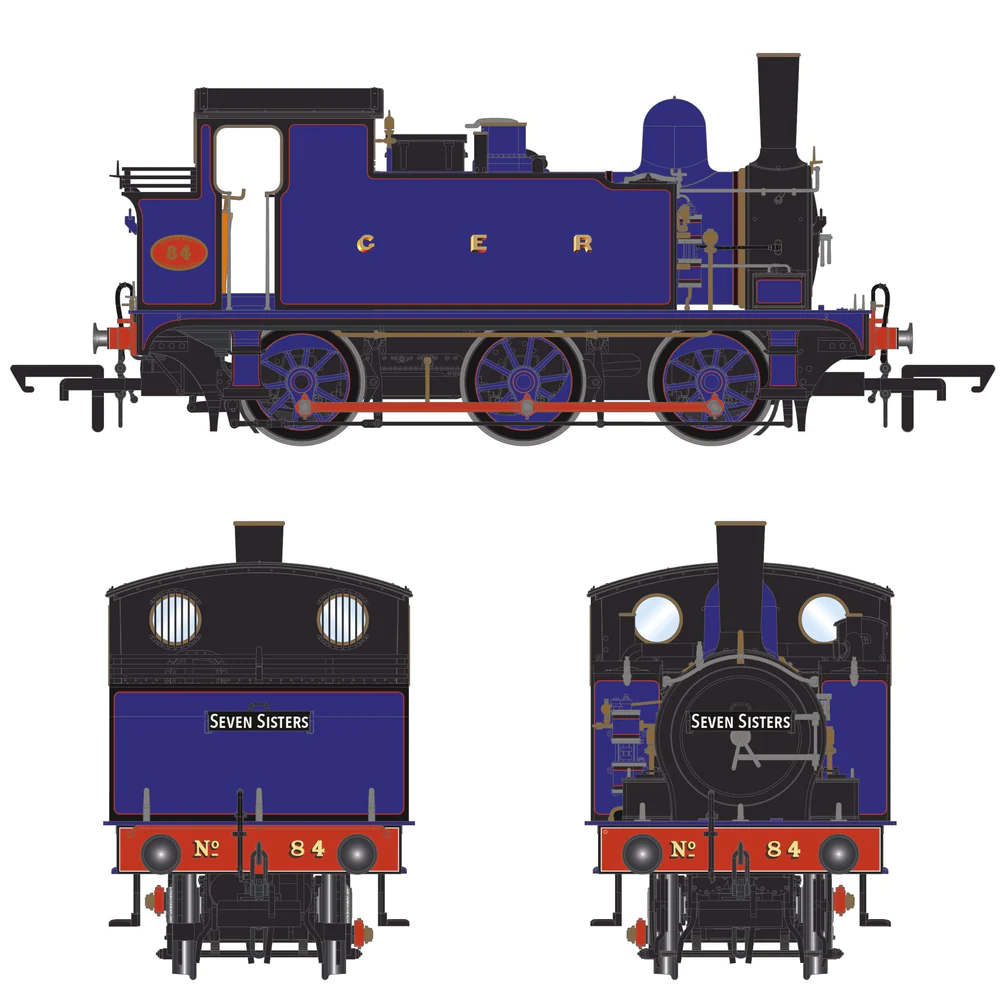
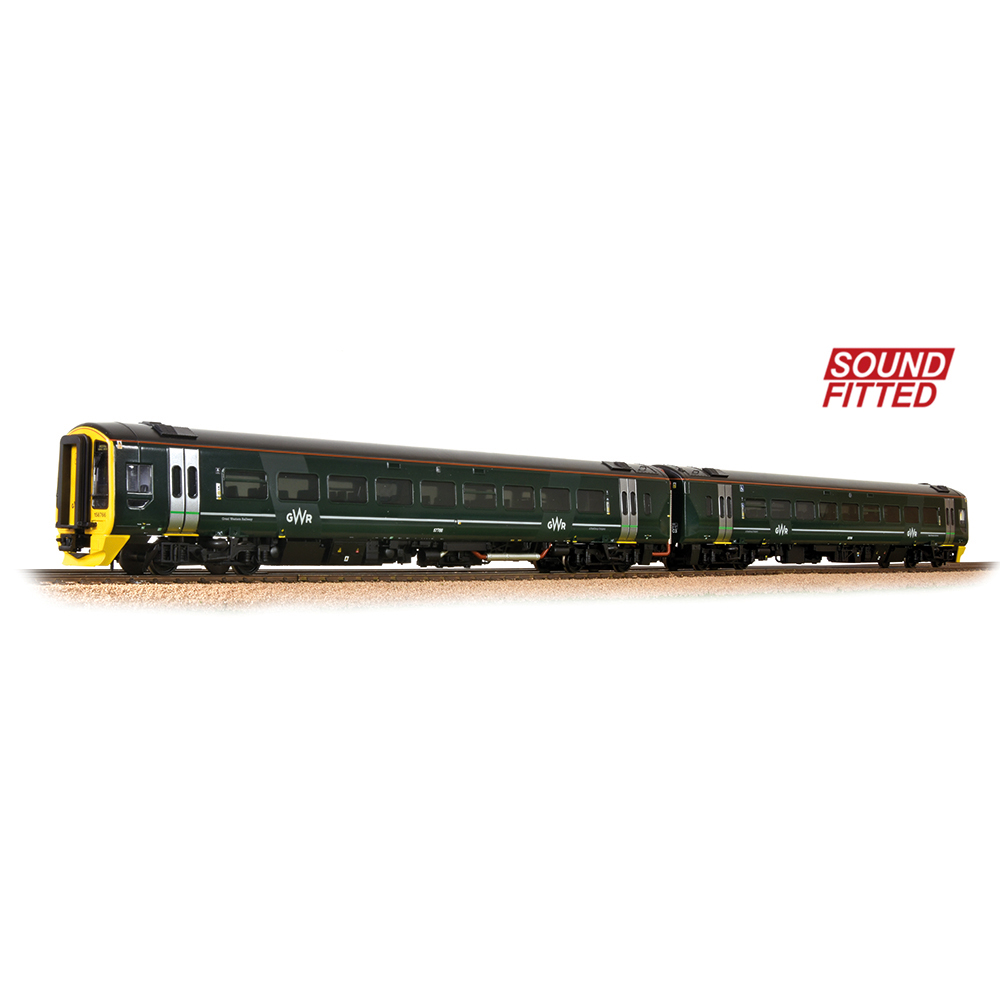
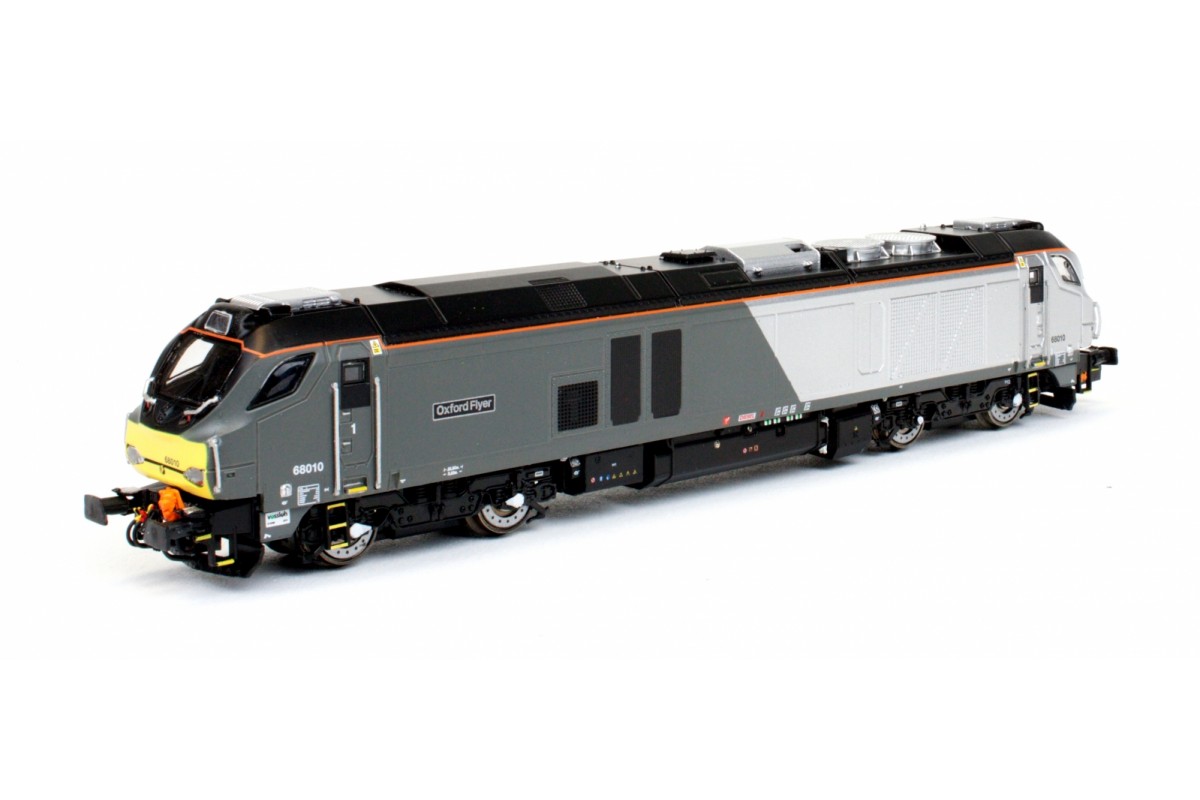
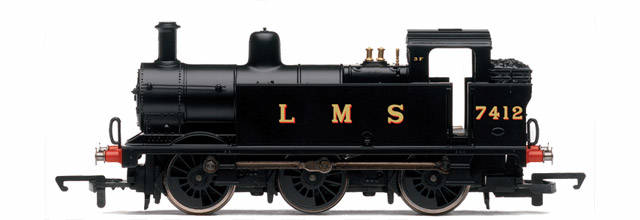
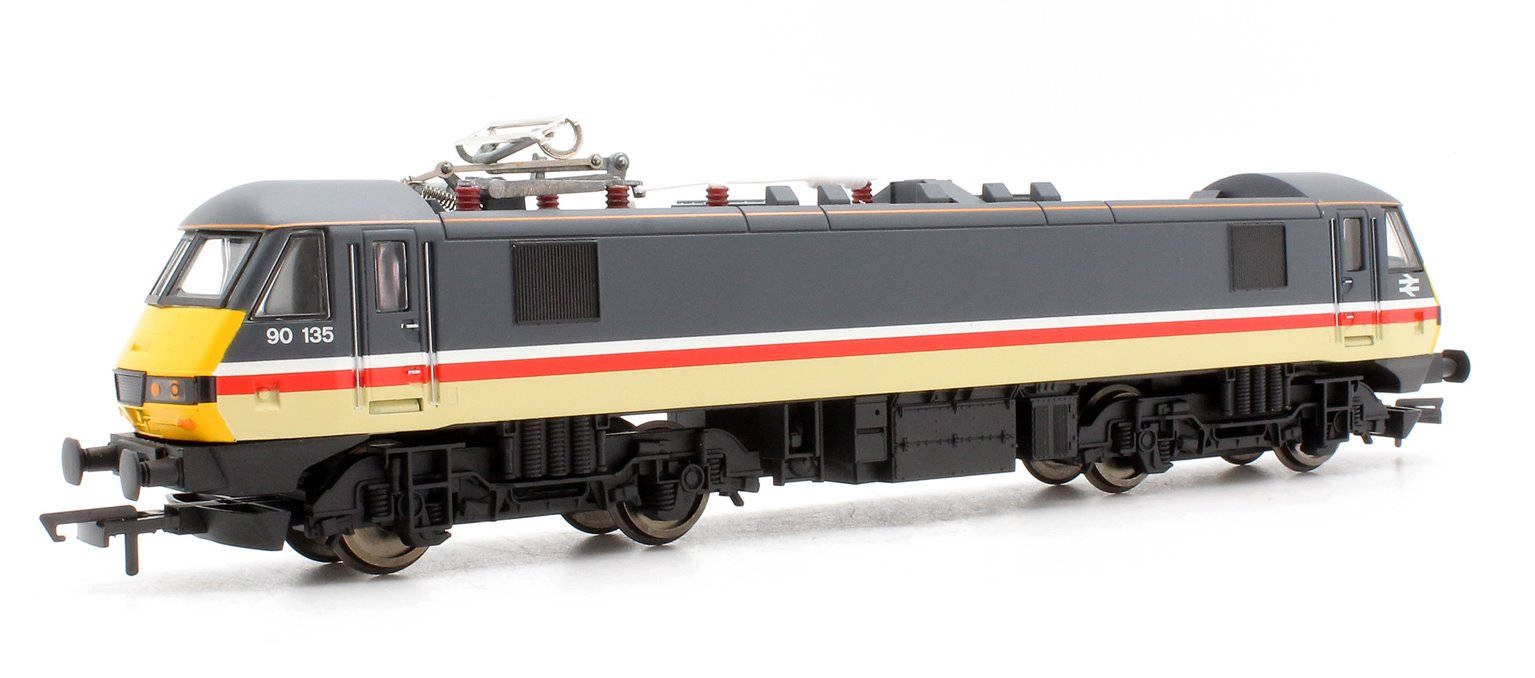
| Flair Rail is a shop for model rail enthusiasts run by model rail enthusiasts. As well as a great range of products from manufacturers such as Hornby, Bachmann, Graham Farish, Peco, Vitrain and many others, we specialise in offering sound advice about what layout and equipment suits you. With a wide choice of scales and gauges available from garden size to table top, Flair Rail has the experience to help you get the best value and enjoyment from your layout. Looking for a great deal? Every now and then we get some really interesting used items to sell. These are carefully selected so that only the ones that are in tip-top condition make it into our used sales list, so if you are looking for something particular or just browsing on the off chance, click here to view our pre-owned items page. |
| flair rail - model railways |
| Railway Modelling Here’s what Wikipedia has to say on the subject: Involvement in the hobby can range from the possession of a train set to spending many hours and large sums of money on a large and exactingly executed model of a railroad and the scenery through which it passes, called a ’layout’. Hobbyists, called ’model railroaders’ or ’railway modellers’, may even maintain models large enough to ride (see Live steam, Ridable miniature railway and Backyard railroad). Railway modellers may find enjoyment in collecting model trains, building a miniature landscape for the trains to pass through, or operating their own railroad, albeit in miniature. Some older scale models reach very high prices. Layouts vary from the very stylistic (sometimes just a simple circle or oval of track) to the ’absolutely realistic’, where real places are modelled to scale. One of the largest of these is in the Pendon Museum in Oxfordshire, UK, where an EM gauge (same scale as 00 but with a more accurate track gauge) model of the Vale of White Horse as it appeared in the 1930s is under construction. The museum also houses one of the earliest scenic models ever made - the ’Madder Valley’ layout built by John Ahern. This latter layout was built in the late 1930s to late 1950s and brought in the era of realistic modelling, receiving coverage on both sides of the North Atlantic in the magazines Model Railway News and Model Railroader during the 1940s and 50s. Bekonscot in Buckinghamshire is the oldest model village, and also includes a model railway, dating from the 1930s onward. The world’s largest model railroad track in HO scale is Miniatur Wunderland in Hamburg, Germany, while the largest live steam layout, with over 25 miles (40 km) of trackage is Train Mountain in Chiloquin, Oregon, USA. Model railway clubs exist where model railway enthusiasts meet. Clubs sometimes put on displays of models for the general public. One rather specialist branch of railway modellers concentrates on larger scales and gauges, most commonly using track gauges from 3.5 to 7.5 inches. Models in these scales are usually hand-built and are powered by live steam, or diesel-hydraulic, and the engines are often powerful enough to haul even dozens of full-scale human passengers. Often model railways of this size are called miniature railways. One particularly famous model railway club is the Tech Model Railroad Club (TMRC) at MIT, which in the 1950s pioneered the automatic control of track-switching amongst hobbyists by using advanced technology for the time — telephone relays. The oldest known society is The Model Railway Club (established in 1910), based near Kings Cross, London, UK. As well as building model railways, they also have a library of in excess of 5000 books, periodicals, etc. Similarly, The Historical Model Railway Society is a Society with its Centre of Excellence at Butterley, near Ripley in Derbyshire England. It specialises in Historical railway matters and has considerable archives available to members and non-members alike. Landscaping Some modellers pay special attention to landscaping their model layout, creating either a fantasy world, or closely modelling an actual location, often a historic one, which does not exist anymore. Landscaping is also termed ’scenery building’ or ’scenicking.’ Constructing scenery generally involves preparing a sub-terrain using screen wire, a lattice of cardboard strips, or carved stacks of expanded polystyrene (styrofoam) sheets. A scenery base is then applied over the sub-terrain; typical scenery base materials include casting plaster, plaster of Paris, hybrid paper-pulp (papier-mâché) or a lightweight foam/fiberglass/bubblewrap composite as in Geodesic Foam Scenery. The scenery base is covered with ground cover, which may be made from ground foam, colored sawdust, natural lichen, or commercial scatter materials for grass and shrubbery. Buildings and structures can be purchased as kits, or hand fabricated (’scratch built’) from cardboard, balsa wood, basswood, or polystyrene or other plastic sheet. Trees can be fabricated from natural materials such as Western sagebrush, candytuft, and caspia, to which an adhesive and model foliage are applied. Water can be simulated using polyester casting resin, polyurethane, or rippled glass. Rocks can be cast in plaster or in plastic with a foam backing. Castings can be painted with stains to give realistic coloring and shadows. Weathering Most models come out of the packet looking new, because unweathered finishes are easier to produce and many collectors want their display models to look pristine. However, the practice of weathering models, simulating the natural dirt and wear on vehicles, structures and equipment, is very common. Weathering typically aims to reduce the plastic-like finish of scale models and well-weathered models can be nearly indistinguishable from their prototypes when photographed appropriately. Methods of Power Model railway engines are generally operated by low voltage DC electricity supplied via the tracks, but there are exceptions, such as Märklin and Lionel Corporation, which use AC. Most of the early models made for the toy market were powered by clockwork and controlled by stop/go and reverse levers on the locomotive itself. Although this made control crude the models were of large enough scale and robust enough that grabbing the controls as they ran around the track was quite practical. Various manufacturers also introduced slowing and stopping tracks that could trigger levers on the locomotive and allow reliable station stops to be performed. Other locomotives, particularly large models used actual steam. Steam or clockwork driven engines are still sought by collectors. Early electrical models used a three-rail system with the wheels resting on a metal track with metal sleepers that conducted power and a separate middle rail which provided power to a skid under the locomotive. This at first apparently strange arrangement made sense at the time as the majority of materials used for railway models were metal and conductive. Modern plastics were not yet available and insulation was therefore a significant problem. In addition the notion of accurate models had yet to evolve and toy trains and track were generally crude tinplate representations of generic models. As model accuracy became more important some model systems adopted two rail power where the wheels were isolated from each other and the two rails carried the positive and negative supply or the two sides of the AC supply. Other model systems such as Märklin instead used a set of fine metal studs to replace the central rail, allowing existing three rail models to use more realistic track. Although DC power with the positive and negative charges on the two rails is the most common method of power, Märklin and Lionel use AC power on the three rail system. American Flyer is another exception, which used AC power on two-rail track. Early electric trains ran on battery power, because few homes in the late 19th and early 20th centuries were wired for electric power. Today, inexpensive train sets running on battery power are once again becoming more common, but these are generally regarded as toys and are seldom used by hobbyists. Battery power is also used by many garden railway and larger scale systems both because of the difficulty in obtaining reliable power supply through the rails when outdoors and because the high power consumption and thus current draw of large scale garden models is more easily and more safely met with lead acid batteries. Engines powered by Live steam are often built in large, outdoor gauges, and are also readily available in G scale, 16 mm scale and can be found in O and HO scale. Hornby Railways produce a range of live steam locomotives in 00 gauge, development of work by some very dedicated modellers who hand-built live steam models in HO/00, OO9 and N, and there is even one in Z in Australia. Occasionally the topic of gasoline-electric models, patterned after real-life diesel-electric locomotives, comes up among dedicated hobbyists; and companies like the Pilgrim Locomotive Works have sold such locomotives commercially. Large-scale petrol-mechanical and even petrol-hydraulic models are commercially available but these are unusual and significantly pricier than the more usual electrical power. Control The first clockwork (spring-drive) and live steam locomotives simply ran until they ran out of power, with no way for the operator to stop and restart the locomotive or to vary its speed. The advent of electric-powered trains, which first appeared commercially in the 1890s, allowed one to control the train’s speed by varying the current, or voltage. As trains began to be powered by transformers and rectifiers more sophisticated throttles appeared, and soon trains powered by AC started containing mechanisms that caused the train to change direction and/or even go into a neutral gear when the operator cycled the power. Trains powered by DC can change direction simply by reversing polarity. Electric power also permits control by dividing the layout into electrically isolated blocks, where trains can be slowed or stopped by lowering or cutting the power to a block. Dividing a layout into blocks also permitted operators to run more than one train on a layout with much less risk of a fast train catching up with and hitting a slow train. Blocks can also trigger signals or other animated accessories on the layout, adding more realism (or whimsy) to the layout. Three-rail systems will often insulate one of the common rails on a section of track, and use a passing train to complete the circuit and activate an accessory. Many modern day model railways use digital techniques and are computer controlled. The industry standard command system is called Digital Command Control, or DCC. Some less-common closed proprietary systems also exist. In the large scales, particularly for garden railways, the use of radio control and DCC in the garden has become popular. We gratefully acknowledge the above text as being drawn from Wikipedia, the World’s Free Online Encyclopaedia. |
| flair rail - model railway scales |
| There are many model railway gauges and scales in use. Some are semi-obsolete, some the primary domain of scratch-builders and some preferred in countries other than the UK. The one sure thing is that there is a scale to suit every modelling need and taste. The most commonly available commercial scales are shown here in bold, red type. Manufacturers of commercial model railway equipment tend to specialise in one scale, for example, Bachmann is synonimous with N gauge, while Hornby is known for producing 00 gauge models. There are scales available to represent railways with standard gauge and narrow gauge, so as they say, the choice is yours. We are always happy to talk over your requirements, so if you have any questions about the most appropriate gauge for your own layout, please get in touch by phone or through our enquiry page. Standard Gauge, based on a 4ft 8½in prototype. 00 Gauge 4mm to 1ft, 1:76 scale 16.5mm gauge (inside track width) A British system, which is very well provided for, with a wide range of ready-to-run models, kits and accessories. Although it remains the most popular gauge, technically it suffers from a track gauge that is 15% under scale (18.3mm would be correct) 1 Gauge 10mm to 1ft, 1:30.5 scale 44.45 gauge (track width) This is almost the biggest scale used for standard (and narrow) gauge models. Some enthusiasts prefer to use 3/8in to 1ft, which gives a more accurate scale/gauge ratio. Most models would have to be scratch-built, although there are some very impressive, but expensive, ready-to-run models available in Continental Europe. 0 Gauge 7mm to 1ft, 1:43.5 scale 32mm gauge (inside track width) Once seen to be the preserve of those with the engineering skills to scratch build. This scale has become more popular due to the availability of a large range of quality locomotive and rolling stock kits. Technically the inside track width of 32mm is 3% under scale, it should be 32.958mm. ScaleSeven 7mm to 1ft, 1:43.5 scale 32.95mm gauge (inside track width) A new refinement using exact wheel profiles and an exact scale/gauge ratio, hence giving greater accuracy. S Gauge 4.76mm to 1ft, 1:64 scale 22.2mm gauge (track width) A near perfect scale/gauge ratio, falling between 0 and 00. Little commercial support outside the USA means scratch building or adapting almost everything. EM Gauge 4mm to 1ft, 1:76 scale 18.2mm gauge (inside track width) An attempt to make the 00 layout track gauge more realistic. At 18.2mm it still falls short of the ideal 18.83mm, but was felt by those involved to be near enough. P4 Gauge 4mm to 1ft, 1:76 scale 18.83mm gauge (inside track width) As EM is still slightly under scale, P4 was established. Locomotive and rolling stock kits are available with the option of an underframe plus wheels to fit this gauge. HO Gauge 3.5mm to 1ft, 1:87 scale 16.5mm gauge (inside track width) This is the major gauge used outside the UK. At 3.5mm to 1ft, the track gauge at 16.5mm is virtually exact to scale for the standard gauge. When using this gauge it must not be confused with 00 gauge, HO gauge is almost 15% smaller. One can run HO gauge rolling stock on 00 gauge layouts, the track gauges both being 16.5mm, but the difference in scale will be very obvious. TT Gauge 3mm to 1ft, 1:101.6 scale 12mm gauge (inside track width) This gauge originated in the USA, and was also produced at 2.5mm to 1ft, 1:120 scale. Enthusiasts using this scale need specialist support through the Three Millimetre Society. N Gauge 2mm to 1ft, 1:148 scale in UK 9mm gauge (inside track width) This gauge is half the size of 00 and therefore you should in theory be able to lay four times as much track. This is becoming a very popular gauge with a full range of locomotives, rolling stock and accessories. In Europe and North America the scale of 1:160 is used for N gauge models, running on 9mm gauge track. 2mm Scale 2mm to 1ft, 1:152.3 scale 9.42mm gauge (inside track width) The purists of N gauge developed this scale. It is slightly more accurate than the mainstream scale of 1:148. Z Gauge 1.5mm to 1ft, 1:200 scale 6.5mm gauge (inside track width) This is a commercial gauge produced by Marklin. It is relatively expensive and specialist. Narrow Gauge, being any railway with a track gauge less than standard gauge G Gauge Scaled to suit modeled prototype 45mm gauge (inside track width) This gauge is used in garden layouts, with 2ft, 2ft 3in, 3ft and metre gauge models available. SM32 16mm to 1ft scale 32mm (0) gauge track. Mainly the domain of scratch-builders, who have the engineering skills to produce live-steam locomotives. 0-16.5 Gauge 7mm to 1ft, 1:43.5 scale 16.5mm gauge (inside track width) A 00 track gauge for modelling rolling stock to be found on a 2ft 3in or 2ft 6in full size system. 00n3 4mm to 1ft, 1:76 scale 12mm gauge (inside track width) Used for models of the Isle of Man railways and the Irish 3ft gauge systems. HOm 3.5mm to 1ft, 1:87 scale 12mm gauge (inside track width) Used for models of the Swiss metre gauge. Not quite to scale (11.5mm would be more accurate). HOn3 3.5mm to 1ft, 1:87 scale 10.5mm gauge (inside track width) Used in the USA for modelling 3ft gauge prototypes. HO-9 4mm to 1ft, 1:76 scale 9mm gauge (inside track width) Used by modellers that want to run 00 stock on N gauge track. |
| flair rail - opening hours | ||||||||||||||||||||||||
| ||||||||||||||||||||||||
New Online Shop
Model rail enthusiasts can now purchase a wide range of items directly from our online shop. As well as all the latest products from manufacturers such as Hornby, Bachmann, Graham Farish, Peco, Gaugemaster and Vitrain, we also specialise in offering hard-to-get rarities and collectibles. There is also the chance to purchase used items and those old favourites from Tri-ang, Wrenn and others that you just can’t get everywhere these days. Click here to come into our shop